


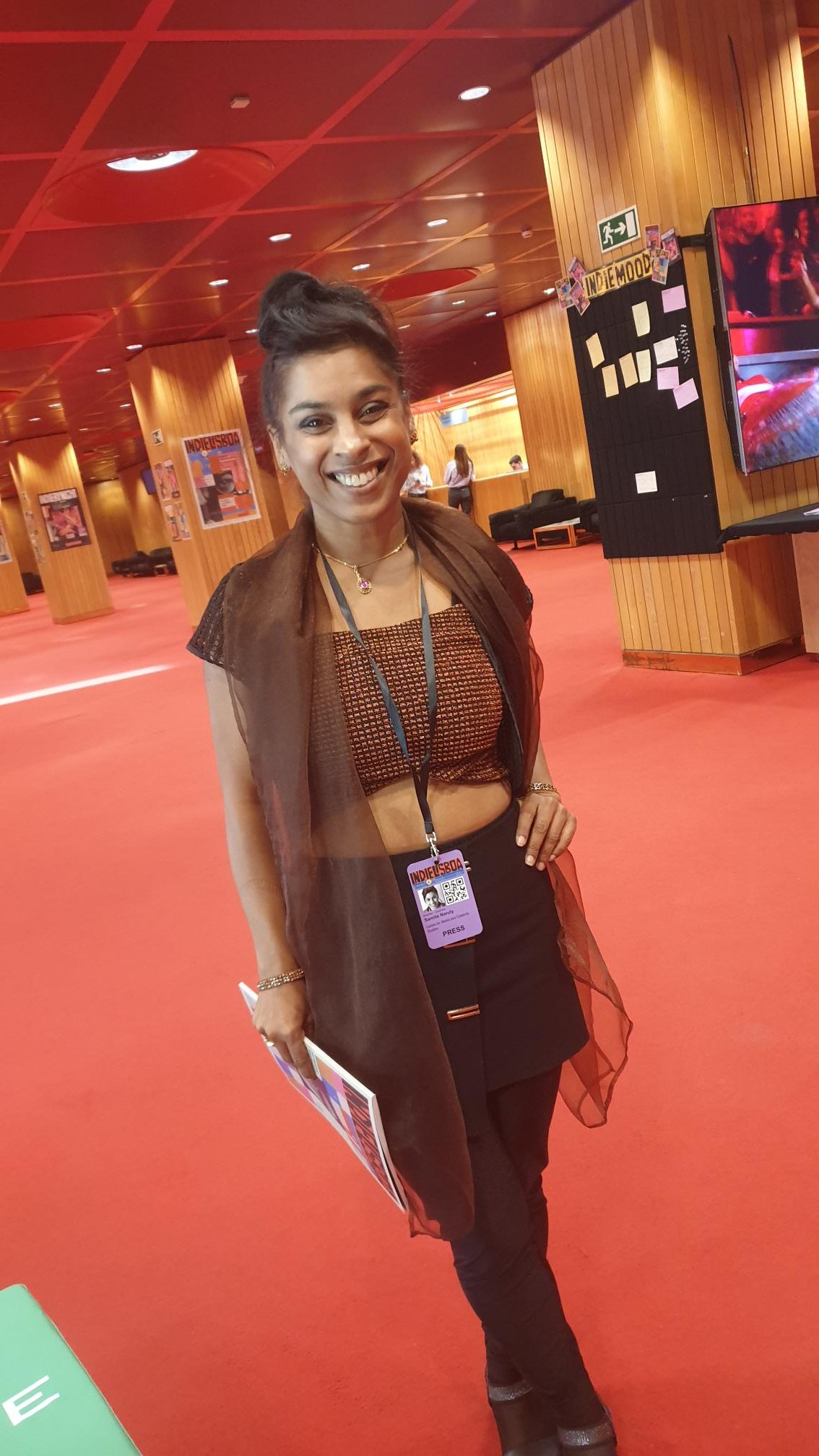
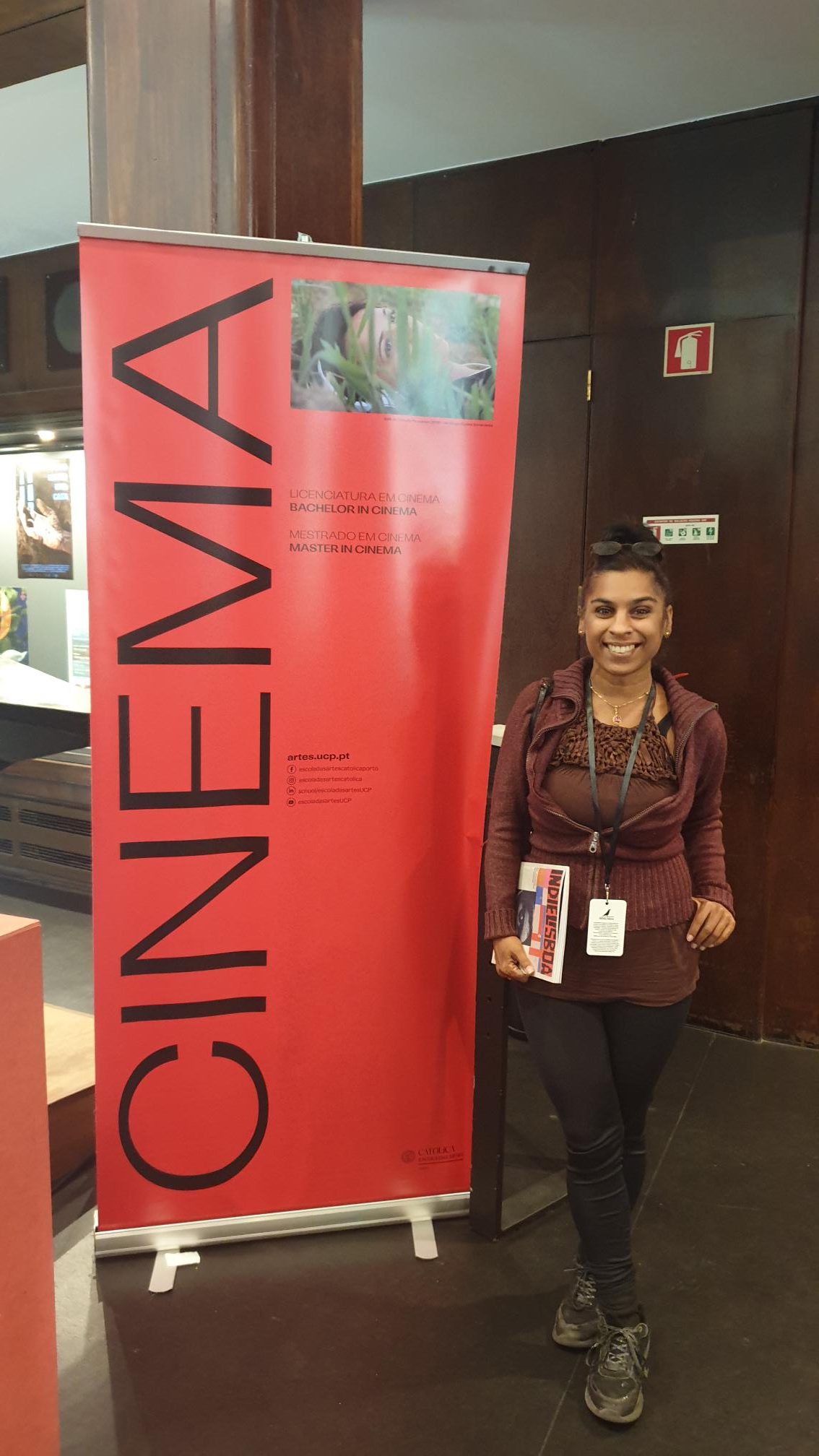
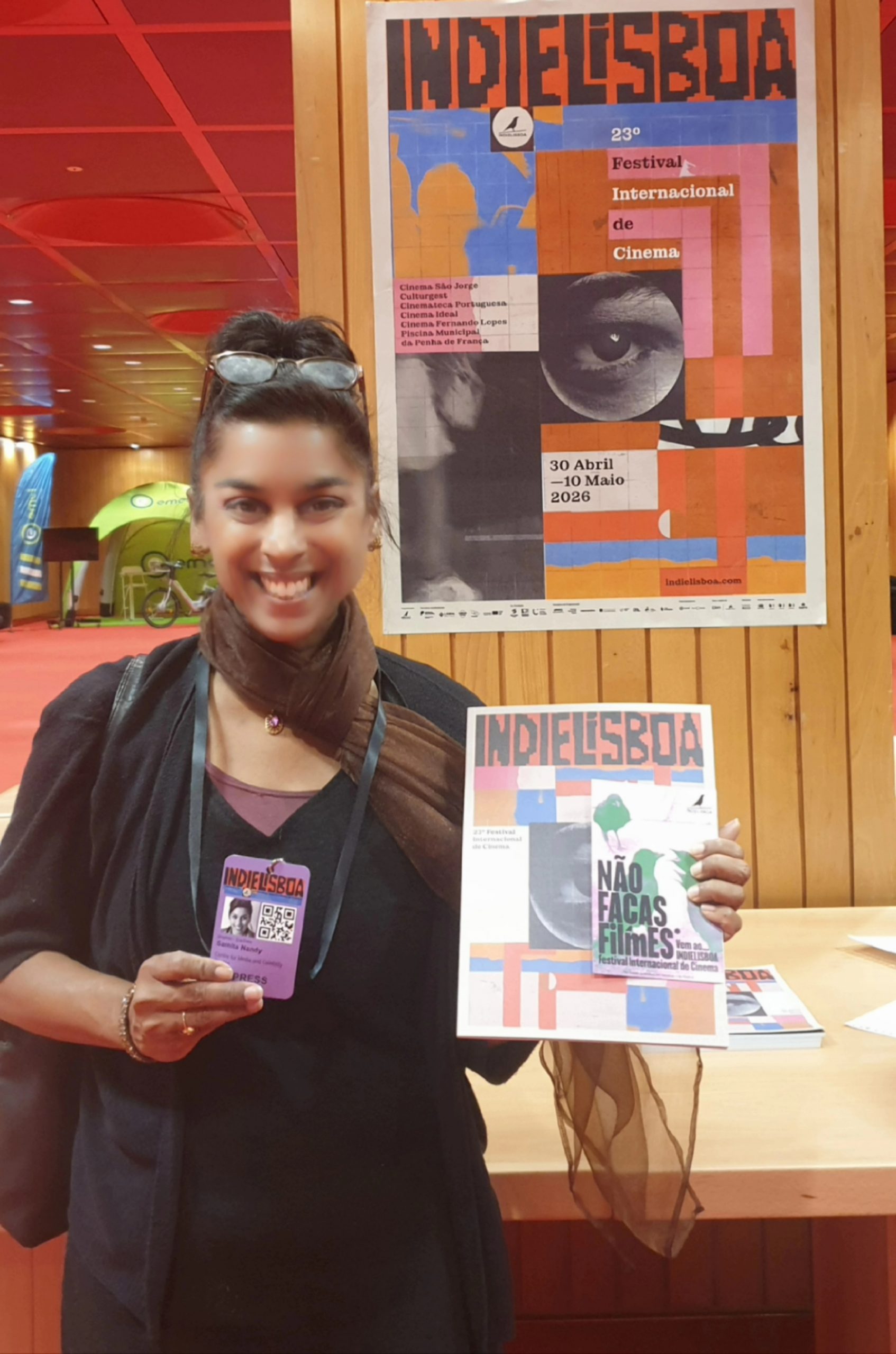
At the 2026 edition of IndieLisboa International Independent Film Festival, one of the most striking discoveries was not simply films, but curatorial insights into independent filmmaking. As a press delegate attending on behalf of the Centre for Media and Celebrity Studies, I arrived expecting innovative independent cinema across geographies and genres. What I did not anticipate was how profoundly the festival’s curatorial lens of inquiry would invite audiences to re-think the foundations of spectatorship in their wider cultural practice of art. Co-funded by the Creative Europe MEDIA Programme, which supports independent cinema, European co-productions, and audience development, IndieLisboa panel talks and screenings offered the following 8 insights on how the cultural landscape of European filmmaking is a unique and sustainable alternative to systematic production models in Hollywood and Bollywood.


1. Sustainability and Alternative Film Ecosystems
Part of the wider Creative Europe ecosystem and connected to international networks, including Toronto International Film Festival, IndieLisboa positions itself not merely as a screening platform, but as a sustainable cultural alternative to the star-driven economies traditionally associated with Hollywood. The festival functions less as a commercial marketplace and more as a long-term cultural incubator centered on audience development, community growth, and sustained engagement with independent cinema. Rather than prioritizing transactional distribution models, IndieLisboa appears deeply invested in cultivating audiences who can support independent film culture over time. At the same time, Creative Europe MEDIA Programme encourages international co-productions with Portuguese production companies. Our own European co-productions and curations, backed up by celebrity studies research, offer further alternatives that strengthen the same focus on community, audience, and innovation on an international level.

2. Community Building and Audience Development
This commitment becomes visible throughout the in-person festival experience at. IndieLisboa. It is not only about films on screens; it is about building relationships between artists, audiences, educators, children, researchers, and local communities across the city of Lisbon. Through workshops, talks, public gatherings, and participatory events, cinema becomes a shared social practice. Audience building here is not an afterthought but a central part of how independent film culture is sustained.

3. Creativity and Imagination
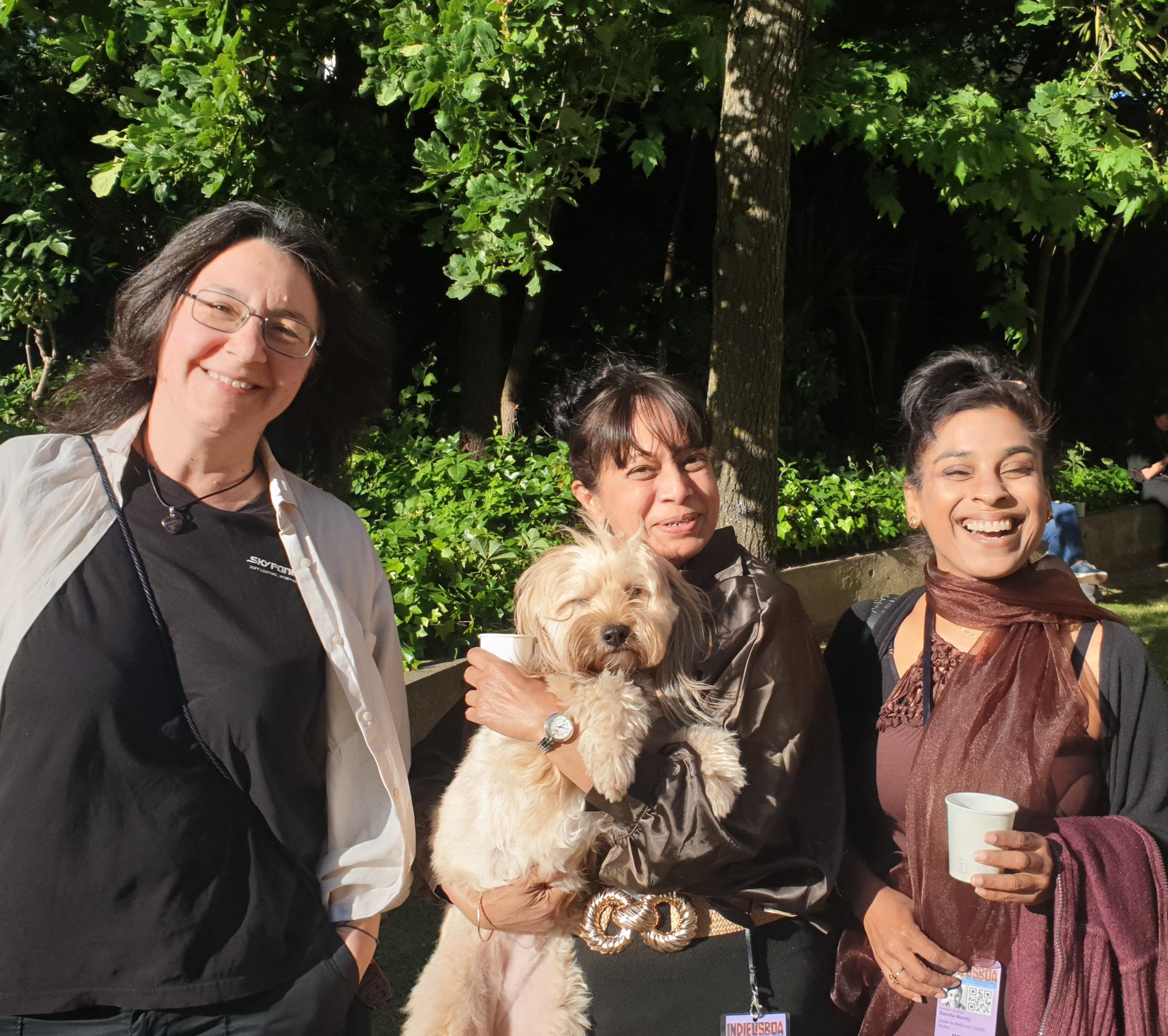
Particularly impressive is the festival’s investment in nurturing future generations of viewers and creators. Its children’s programming reportedly welcomes nearly 10,000 children, transforming cinema into an early educational and creative encounter rather than an elite cultural activity. Partnerships with schools encourage experimentation, imagination, and artistic exploration, while collaborations with universities extend these conversations into broader public intellectual and cultural contexts

4. Innovation –Baby Cinema
The festival’s Baby Cinema category became especially fascinating. The concept initially appears playful: films designed for babies and very young audiences. Yet beneath that premise lies a profound question about how human beings first encounter images, sounds, emotions, and collective viewing experiences. The section challenges assumptions about spectatorship and invites us to reconsider the origins of cinematic engagement itself. What makes Baby Cinema particularly compelling is the safe and multisensory environment it creates. Cinema here becomes tactile, emotional, auditory, and communal. Observing how babies engage with moving images raises broader questions about how future generations will receive stories, participate in media culture, and develop creative expression. It shifts attention away from commercial visibility and toward the formation of imagination itself. Rather than treating cinema solely as entertainment, IndieLisboa presents it as a tool for learning, curiosity, and creative citizenship.

5. Accessibility and Inclusion
The festival’s accessibility initiatives further reinforce its social mission. The inclusion of sign language interpretation and programming attentive to diverse audiences reflects an understanding that participation in culture should be as important as representation within it. These efforts create a more inclusive environment in which a wider range of communities can engage with independent cinema.
Beyond screenings, IndieLisboa, in general, promotes a broader understanding of film culture through discussions and training related to sustainability, diversity, mental health, and cybersecurity. Such initiatives recognize that contemporary filmmaking exists within social and technological ecosystems that require care, awareness, and responsibility. The festival therefore supports not only artistic development but also the cultivation of ethical and resilient cultural practices.

6. Producing Beyond Celebrity Culture
Contemporary celebrity culture often depends on visibility, performance, and accelerated circulation, as historically seen in Hollywood film stardom, IndieLisboa, by contrast, appears invested in cultivating imagination, care, reflection, and community. In doing so, it offers an alternative cultural framework that extends beyond the tabloid politics of fame. Coming from the field of celebrity studies—a discipline that traces fame from ancient Greek and Roman heroic traditions to today’s digital media stars—I found this contrast especially meaningful for the current and next generation of cinematic storytellers.

7. Local Roots, Global Networks
Equally important is the way the festival network extends beyond Lisbon itself. Through broader European cultural networks and regional initiatives, IndieLisboa helps bring cinema into surrounding communities and countryside locations beyond the festival schedule. The international festival thereby embodies a philosophy of being “local to become global”—rooted in place while fostering collaborations, networks, and associations across Europe and beyond.

8. Artistic Diversity and Cultural Expression
There is also a visible commitment to supporting artistic forms often overshadowed by mainstream commercial cinema, particularly animation and experimental work. Rather than reproducing dominant industry formulas, the festival creates space for alternative forms of storytelling, aesthetic exploration, and cultural expression.

The Future of Independent Cinema
In an era where individual attention itself has become commodified, IndieLisboa reminds us that cinema can still function as a civic and cultural commons. Through its commitments to sustainability, inclusion, education, audience development, and intergenerational creativity, the festival offers more than a showcase of films. It presents a vision of what a healthier and more sustainable global film culture might look like—one built not around stardom, but around communities of imagination.

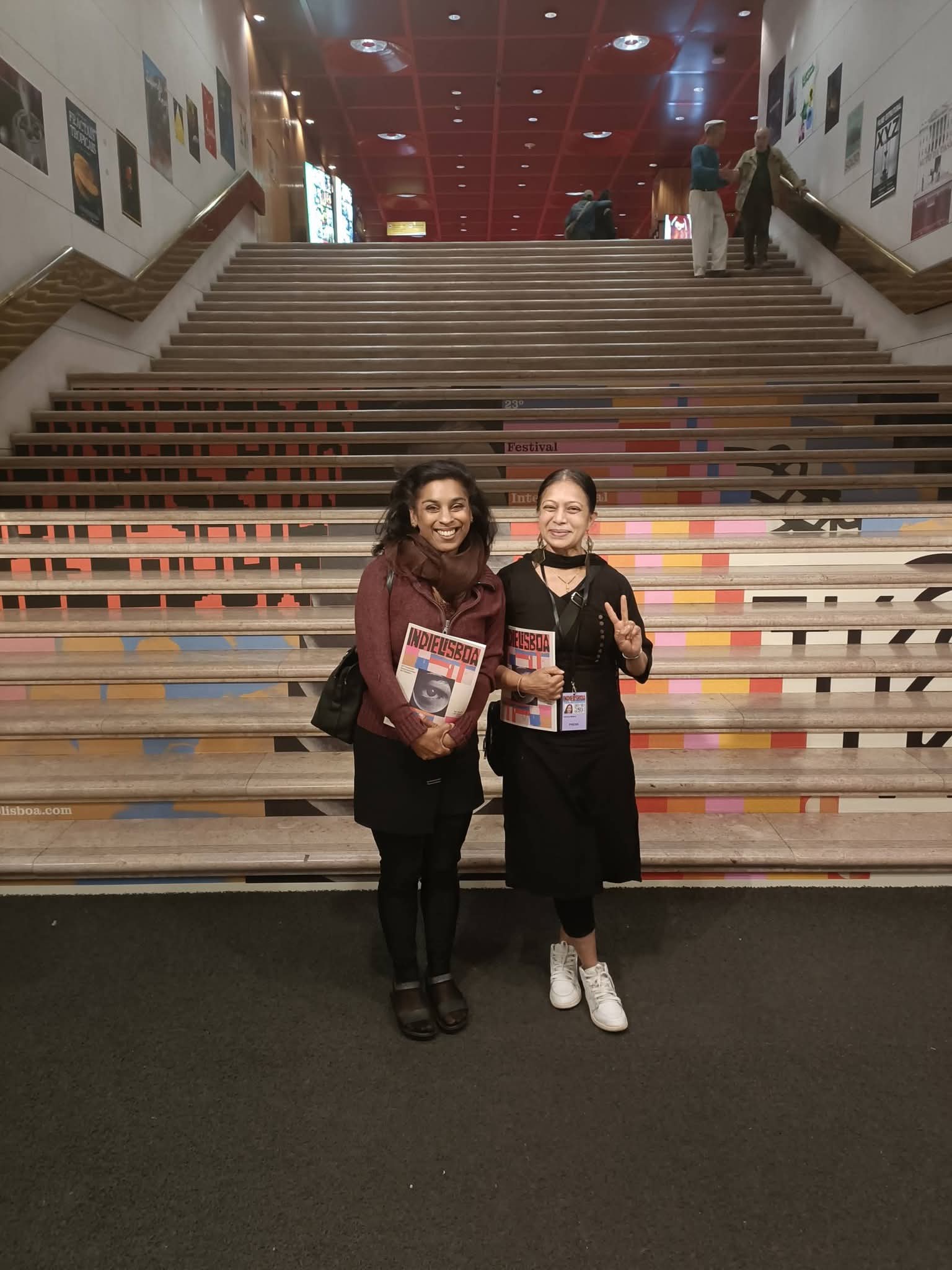
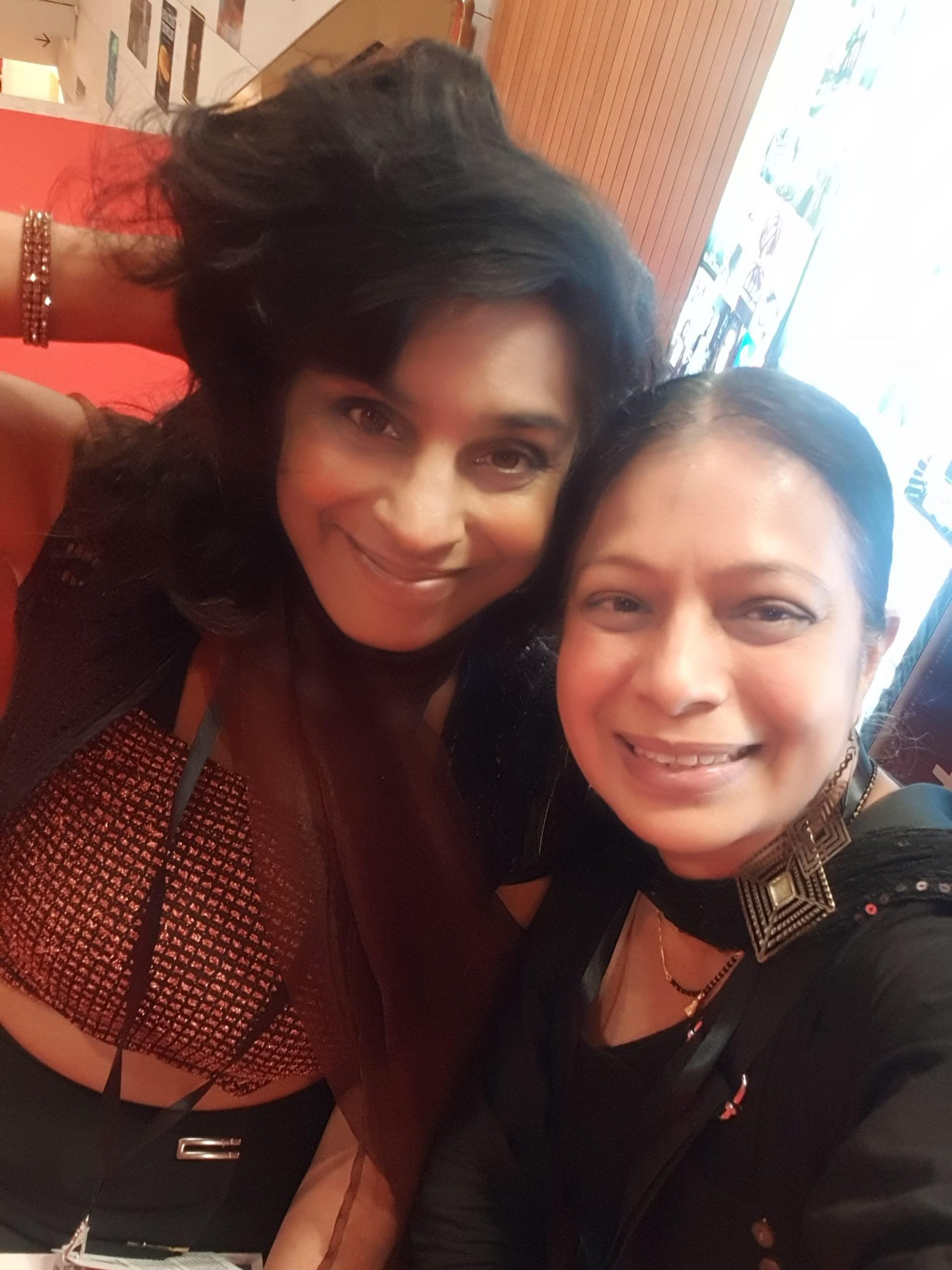
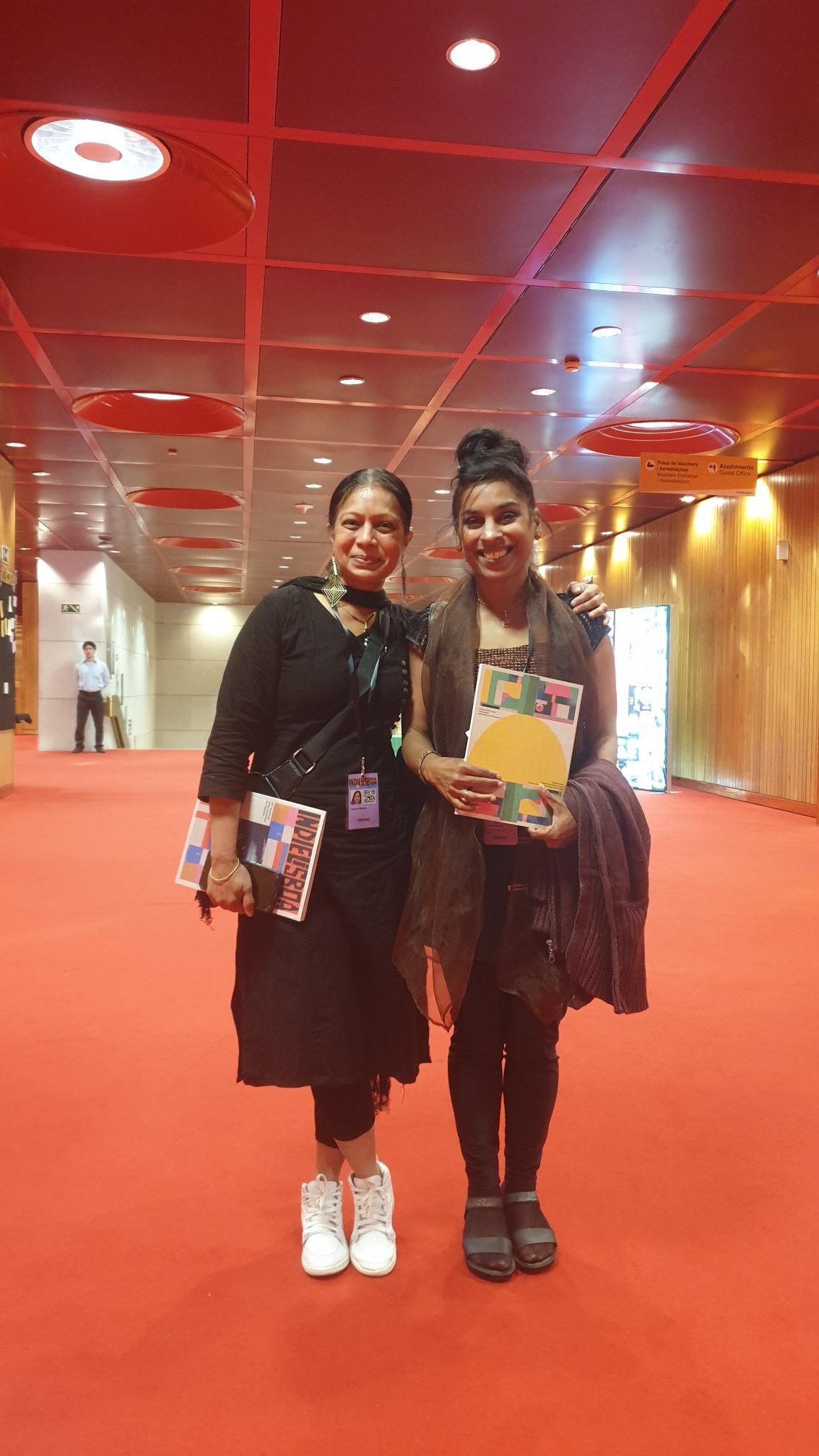
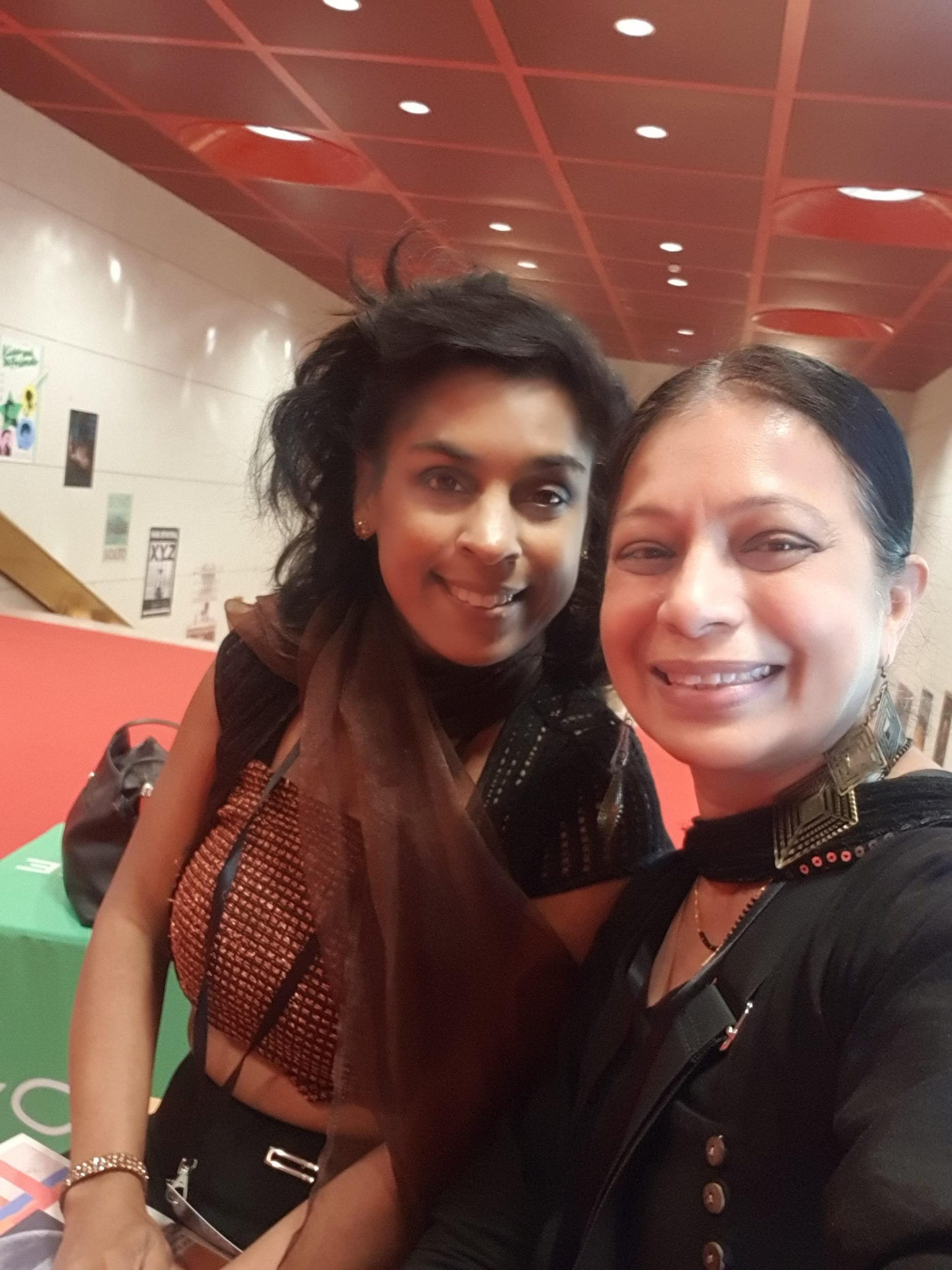
Special thanks to press delegate Varsha Mehra for the CMCS photography.
Recent Comments